


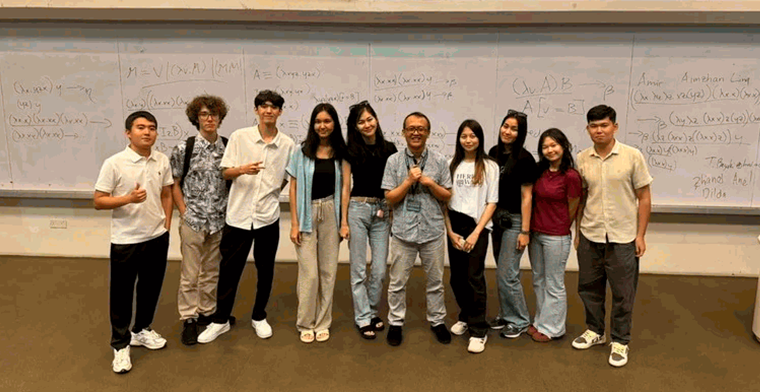
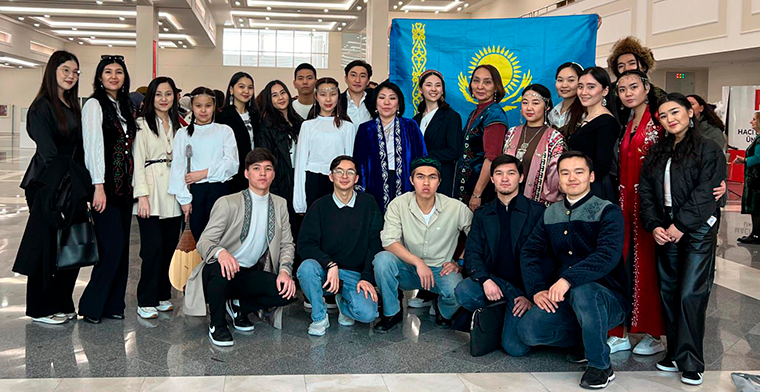
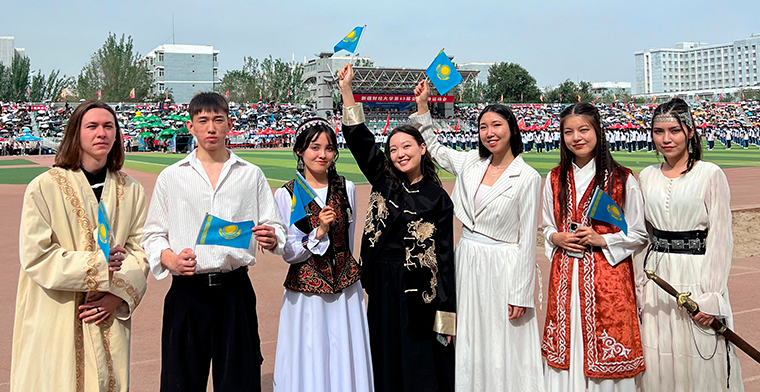
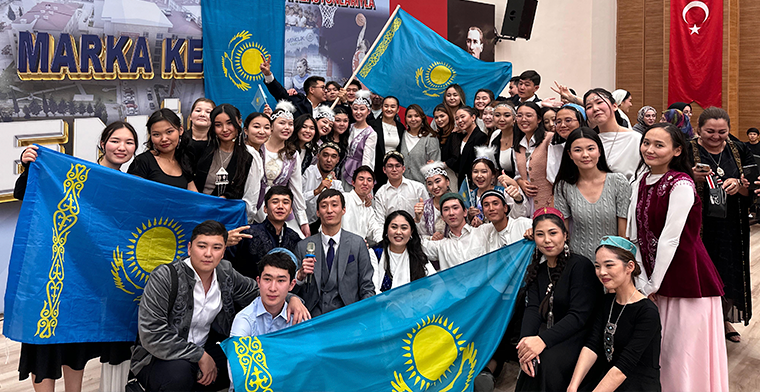
Academic mobility — refers to the temporary movement of students and academic staff for a specific academic period (semester or academic year) to another educational or research institution — either domestically or abroad — for the purpose of study, teaching, or conducting research. The rules and procedures of academic mobility apply to undergraduate, master’s, and PhD students, as well as to academic and administrative staff of the university. Types of academic mobility External academic mobility — studying or conducting research in foreign educational or scientific institutions outside the Republic of Kazakhstan. Internal academic mobility — studying or conducting research within Kazakhstan at leading universities or research centers under bilateral agreement. Since 2020, more than 280 students have taken part in academic mobility programs abroad.
INTERNATIONAL ACADEMIC MOBILITY

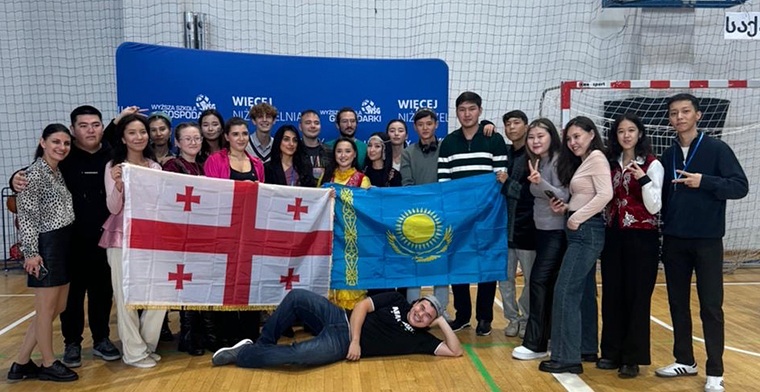
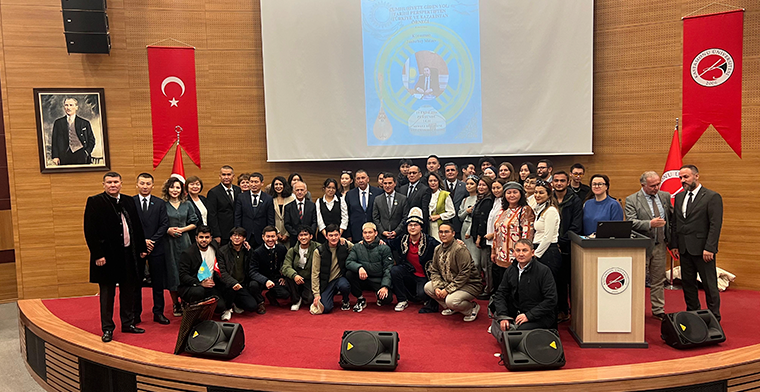

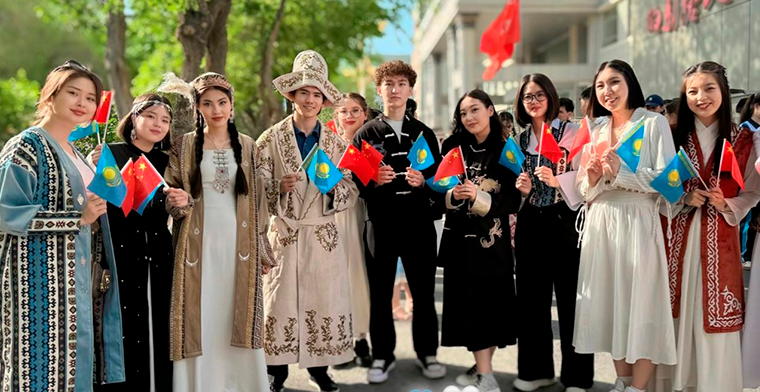

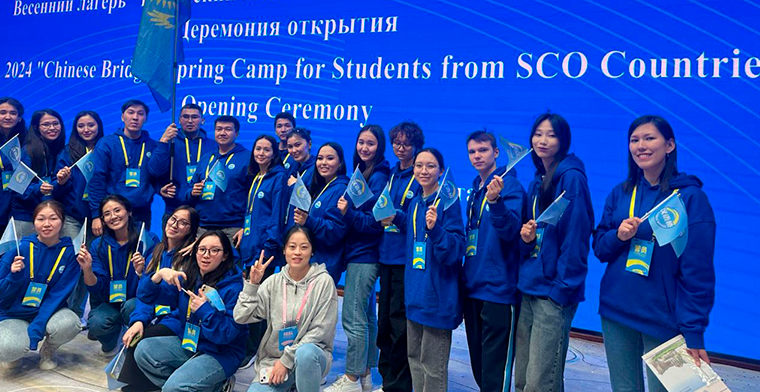
<280
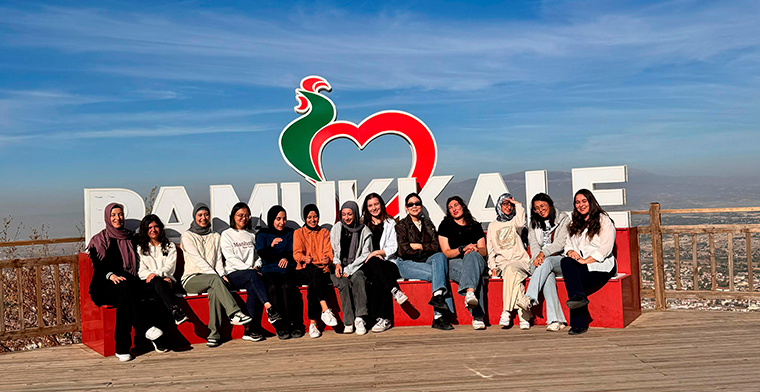
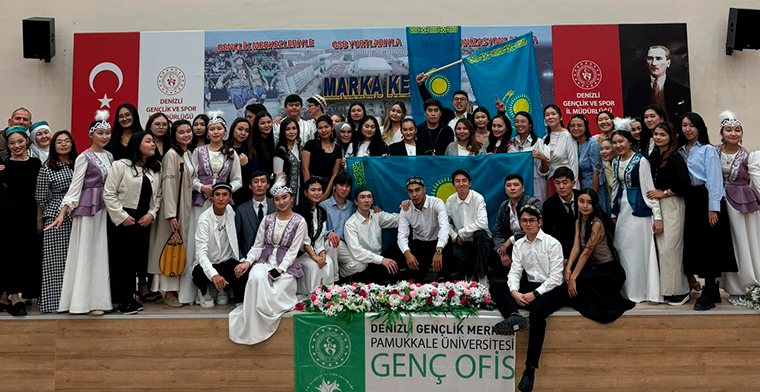
Since 2020, more than 280 students have participated in academic mobility programs abroad.
Program Advantages

Education at a Foreign University
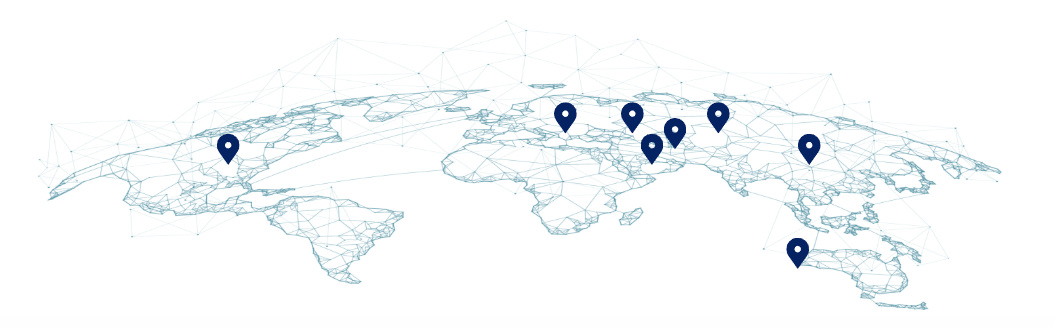
Since 2009, more than 100 international agreements have been signed

Experience of Living
Abroad
More than 500 students have participated in the academic mobility program

Connecting with Students Worldwide
Global Network
Across 40 Partner
Countries
Applicants must meet the following requirements:
- Be a state grant recipient at Zhubanov University;
- Be an active 2nd–3rd year bachelor’s or 2nd–3rd semester master’s student at the time of application;
- Maintain a GPA of at least 3.00;
- Have no academic debts or disciplinary violations;
- Possess an international certificate confirming language proficiency: English — IELTS 5.5+, TOEFL 46+, or Duolingo 80+; Chinese — HSK 1 or Confucius Institute certificate (minimum 96 academic hours); Turkish — Tomer B2 or Duolingo 80+. If no certificate is available, applicants may take an institutional language test organized by the Department of Strategic and International Development (SIDD). Successful candidates will then proceed to an interview stage.
Additional requirements:
- Compliance with academic and ethical standards;
- Psychological readiness to study in a new academic environment;
- Active participation in the university’s academic and social life.
Priority is given to applicants who:
- Are orphans or students deprived of parental care (with supporting documents);
- Come from large families (with supporting documents).
Required Documents
- Resume (CV);
- Copy of ID card;
- Application addressed to the Chairperson of the Board – Rector;
- Recommendation letter (from the Head of Department);
- Certificate of student status (from Student Service Center / “Temirkazyk” system);
- Academic transcript (from Student Service Center);
- Valid international language certificate (IELTS, TOEFL, Duolingo, HSK, Tomer, or equivalent) OR diploma/transcript confirming prior education in the same language (if available);
- Copies of diplomas, certificates, or awards from international or national competitions (if available);
- Application form for studying abroad — applicants may indicate up to three preferred partner universities and specify the language of instruction;
- Six (6) photos sized 3x4;
- One (1) folder with transparent files;
- Copy of a document confirming family composition (for applicants from large families, if applicable);
- Copy of a document confirming orphan status (if applicable);
- Notarized parental consent for studying abroad (for applicants under 18 years old).
FAQ
Academic mobility allows students to study or conduct research at another higher education institution — domestically or abroad — for a specific academic period. Completed courses are recognized and transferred as credits at the home university.
- To gain international academic experience;
- To enhance competitiveness;
- To acquire new knowledge and skills;
- To broaden personal and professional horizons;
- To build global networks and friendships;
- To explore new cultures and countries.
Undergraduate students (2nd–3rd year) and master’s students (2nd–3rd semester).
The process includes document submission, a competitive selection stage, and an interview.
A special committee decides on nominations for foreign partner universities.
Documents are submitted to faculty coordinators.
For inquiries, students may contact the Department of Strategic and International Development..
If an applicant does not have an official certificate, an institutional test organized by the department will be administered.
Academic mobility can be funded through state grants, international programs, or self-financing.
Erasmus+ is a European Union program that supports education, training, youth, and sports.
Its KA1: Learning/Credit Mobility of Individuals, promotes student and staff mobility across Europe. Each participant receives a grant from the European Commission.
Yes. The office coordinates the credit transfer process, while the final approval is made by faculties and departments according to university policy