


 08/08/2024
Educational and scientific activities of the department
The department trains bachelors in specialties 5B060800 – “Ecology” and masters in specialty 6M060800 – “Ecology”. Graduates receive the qualification “Bachelor of Ecology”, and postgraduates are awarded an academic degree – “Master of Science”.
Members of the Department of Ecology have been accredited in 10 scientific and technical fields.
Training of students is carried out in accordance with the standard, modular curricula. The availability of standard curriculum disciplines is 100%.The educational process uses the latest technology and teaching methods, workshops, a modern library.
In accordance with the existing contractual relations and the training schedule, field classes are held at the production branches of the department. Complex ecological and biological expeditions along the rivers and steppe territory of the Aktobe region are organised. The results of the research work of the faculty are used in the educational process. For the purpose of further updating of educational laboratories, applications for laboratory equipment are annually submitted.
When implementing the educational process, various teaching and methodological materials on electronic media developed by the faculty of the department are used. At the department, an extensive database of slides and films on ecology was created and is used in lecture, practical and laboratory classes. When teaching the discipline “Ecology and Sustainable Development” a new educational technology “E-Learning” is applied.
The faculty of the department actively engages in research work. The scientists of the department publish the results of their scientific research in rating journals with impact factor (Doctor of Technical Sciences, Prof. Bazarbaeva S.M “Design of technologies for recycling industrial waste in micro fertilizers”, Doctor of Technical Sciences Bazarbaeva S M., Candidate of Technical Sciences Isengalieva “Removal of sulfur-containing compounds from gas and oil and analysis of desulfurization waste”, associate professor Mendybayev E. Kh. “Geochemical research of the region with technogenic influence in terms of Borlinskiy region, west Kazakhstan”, “Oxidation Communications”.
INDUSTRIAL PRACTICE – AN IMPORTANT COMPONENT OF THE PROFESSION-ORIENTED EDUCATIONAL PROCESS
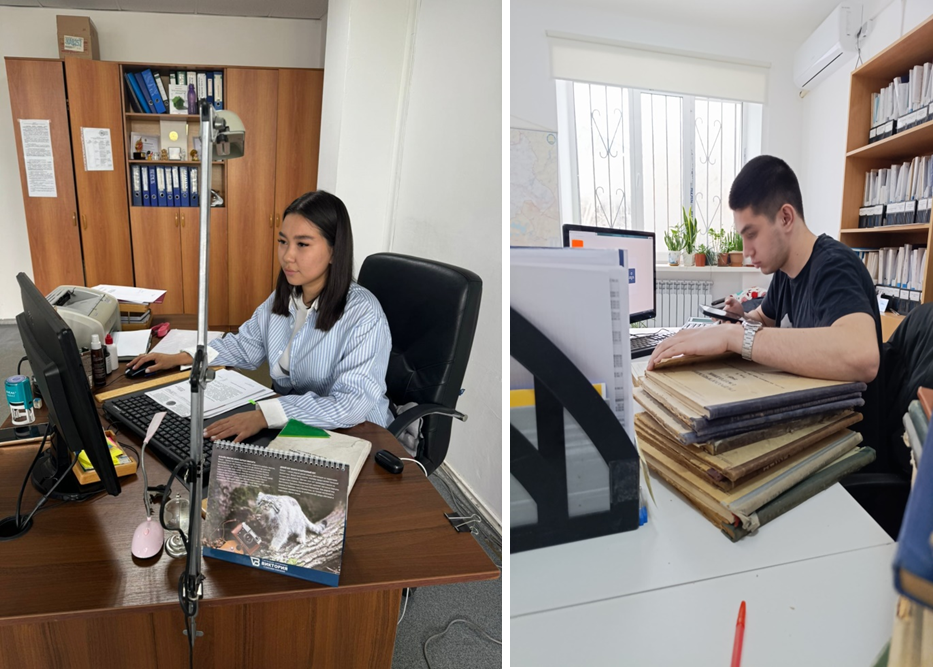
While mastering the science of ecology, students need not only to gain theoretical knowledge but also to acquire practical skills that enable them to become experts in their field. For this purpose, industrial practice plays a vital role. The main goal of industrial practice is to improve the quality of students' professional training.
Industrial practice can be undertaken in the following institutions:
- Basic industrial enterprises of the city,
- Department of Ecology,
- Organizations focused on environmental protection,
- Scientific research institutes, centers, laboratories, etc.
During industrial practice, students engage in activities such as applying environmental protection methods, calculating pollutant emissions, preventing pollution, calculating environmental limits, and more.
The goal of industrial practice:
- To strengthen and deepen the theoretical knowledge gained during studies;
- To develop the professional qualities of the future specialist.
Objectives:
- To increase consistent interest in the chosen profession;
- To foster a creative approach to professional activities;
- To develop practical skills in applying knowledge acquired in core subjects;
- To build the ability to organize work on a scientific basis using new technologies.
The Connection Between the Department of Ecology and Industrial Enterprises and Its Importance
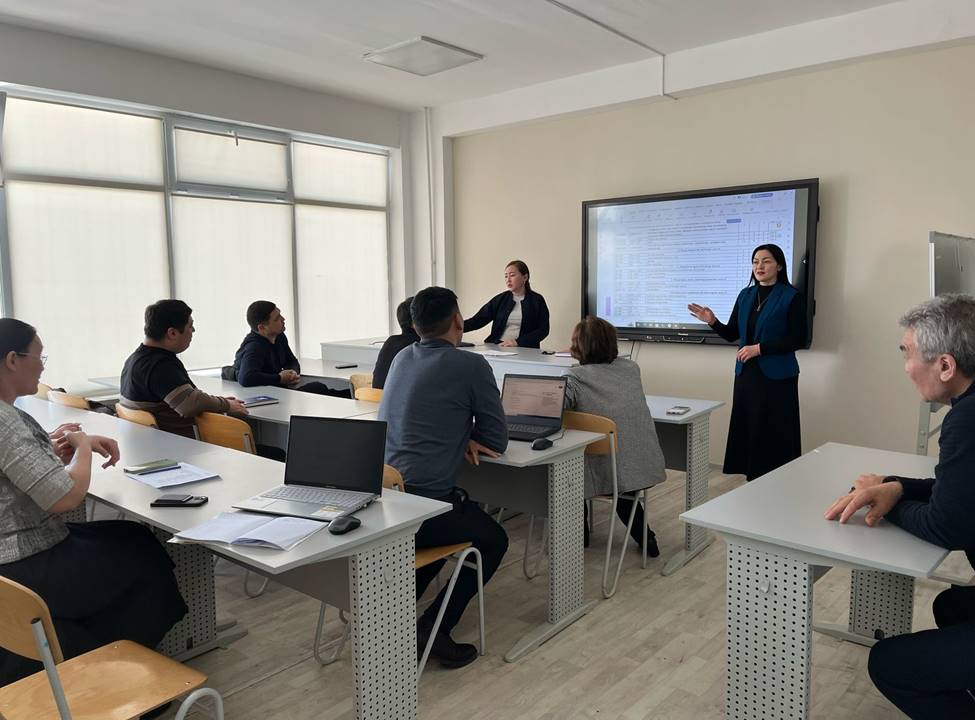
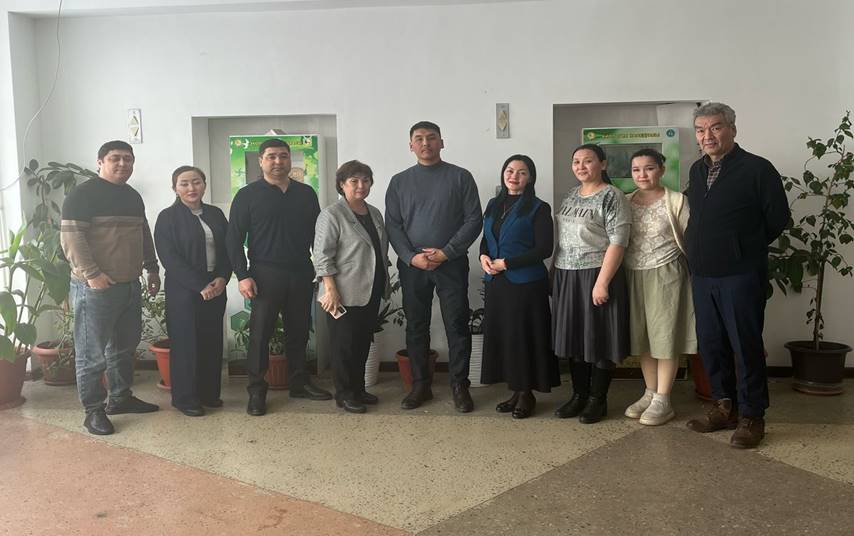
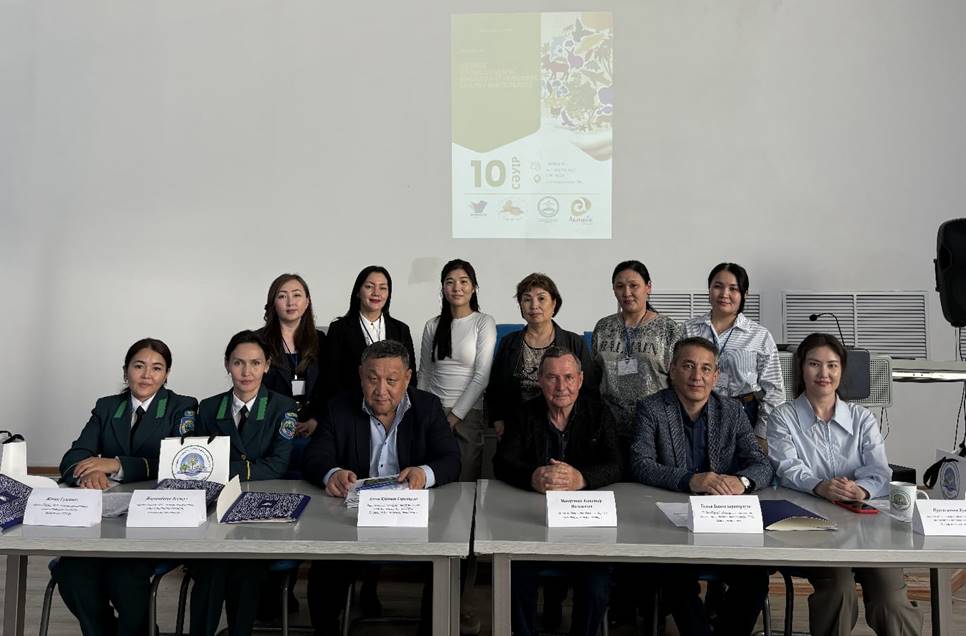
The close collaboration between the Department of Ecology and industrial enterprises plays a crucial role in enhancing students' professional training. This partnership allows the integration of theoretical education with practical experience, giving students the opportunity to apply their knowledge in real-life situations. Working together with industries also supports scientific research and contributes to solving environmental issues. Furthermore, such cooperation increases graduates’ employment prospects and helps them define their professional paths more clearly.

Directions of Scientific Research Work
The scientific research activities carried out jointly by the Department of Ecology and partner organizations cover key issues such as environmental protection, ecological monitoring, and the efficient use of natural resources.
Practical Training, Internships, and Educational Base Organization at Department Branches
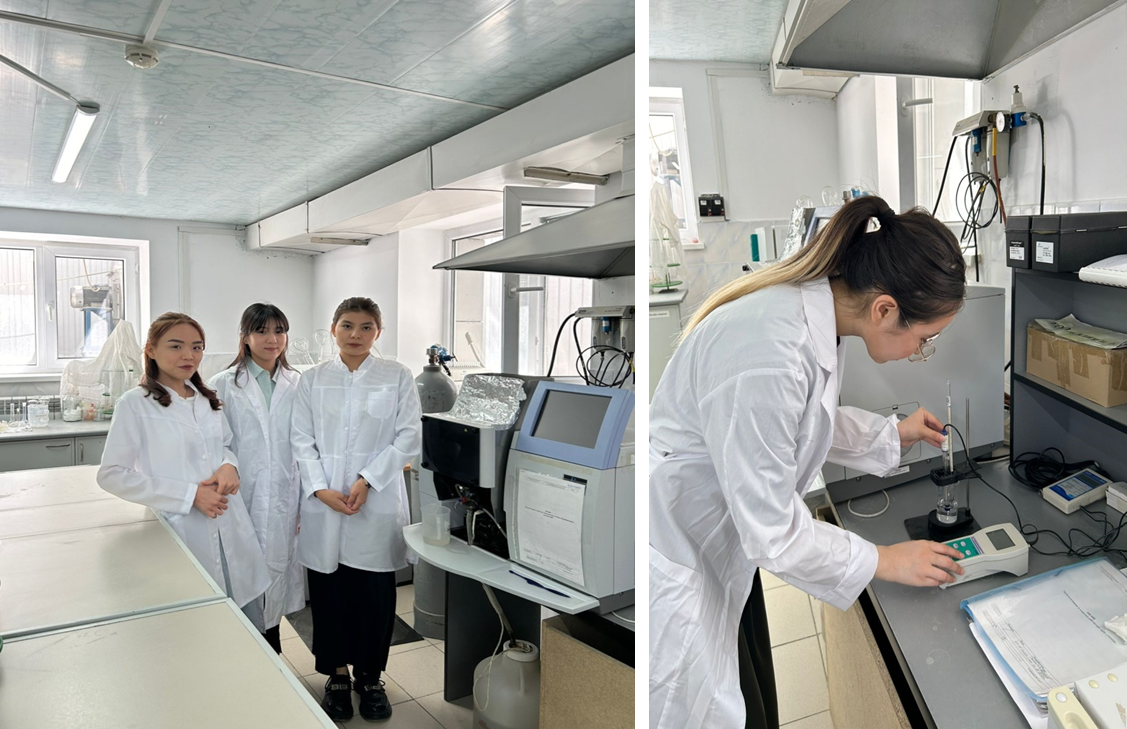
The branches of the Department of Ecology provide opportunities for practical training, internships, and effective organization of educational bases. Students apply theoretical knowledge and develop professional skills in real-world settings.
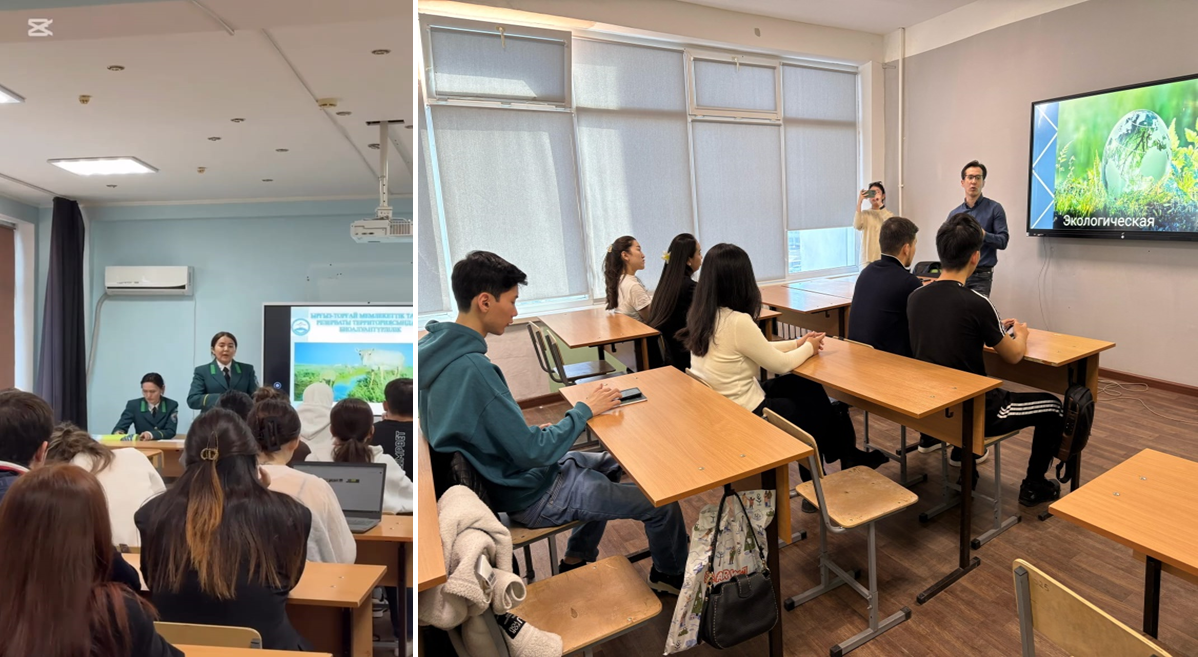
The department, its branches, and other industrial organizations deliver guest lectures to students majoring in Ecology, sharing their experience and practical knowledge.

ACADEMIC MOBILITY PROGRAM
Students of the Department of Ecology have the opportunity to participate in the academic mobility program and study at both foreign and domestic higher education institutions. This program contributes to the professional and personal development of students, allows them to gain experience from other educational institutions, improve their foreign language skills, and adapt to a new cultural environment.
In addition, specialists from foreign universities are invited to our university to deliver lectures for students, while the faculty members have the opportunity to exchange professional experience. This, in turn, helps improve the quality of education and strengthens international scientific and academic cooperation.
Academic mobility is an essential part of the modern education system. The Department of Ecology actively collaborates with partner universities and creates all the necessary conditions to ensure high-quality education for its students.
ARRIVAL OF AN INTERNATIONAL SPECIALIST AT THE UNIVERSITY
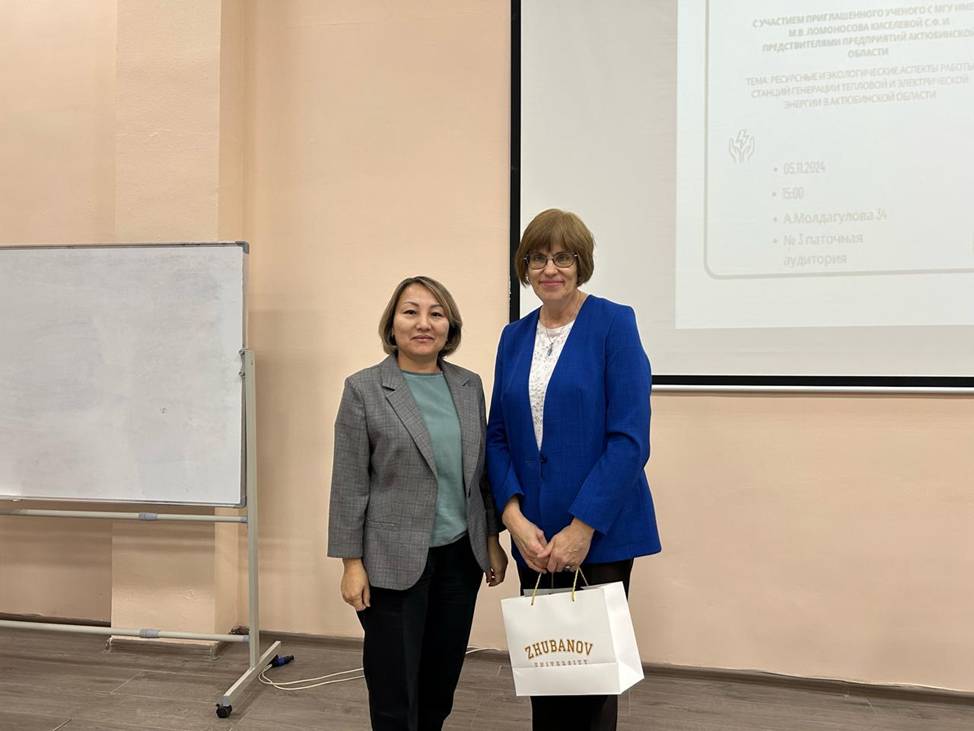
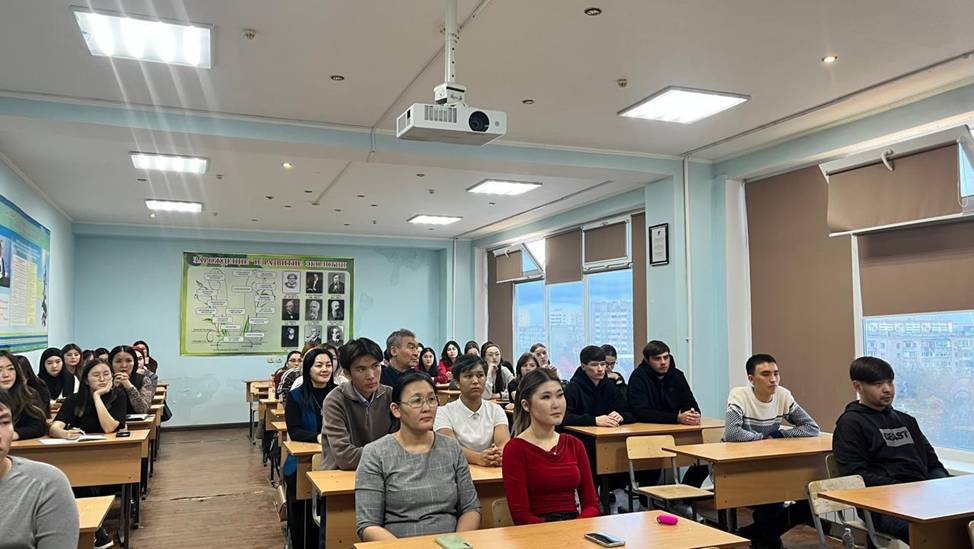
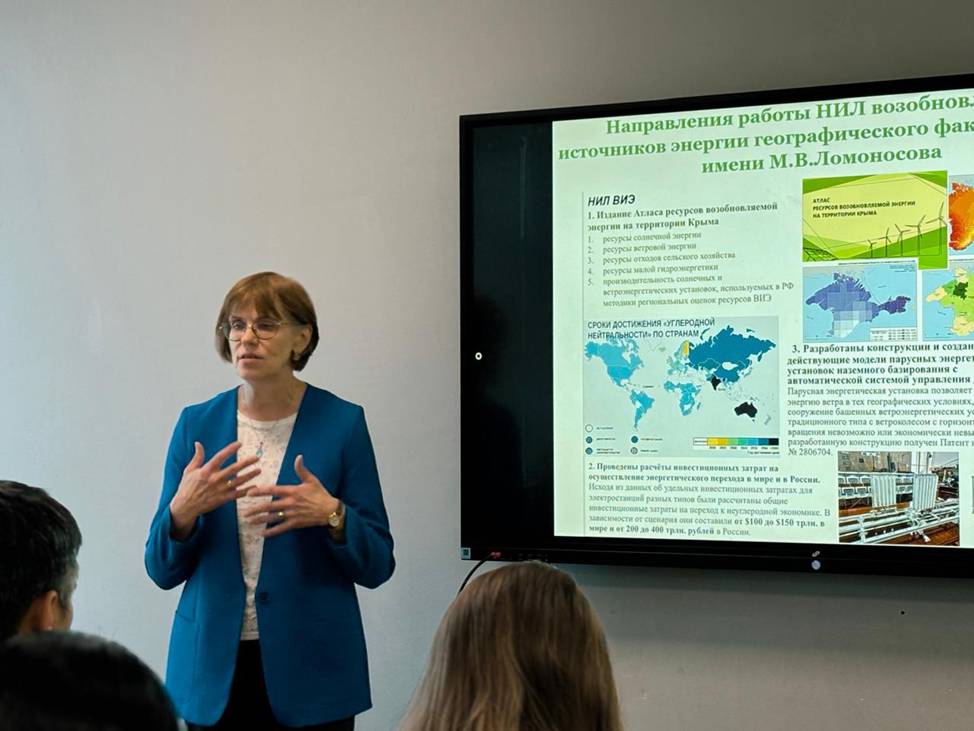
From October 28 to November 9, 2024, the head of the Research Laboratory of Alternative Energy Sources at the Faculty of Geography of Moscow State University named after M.V. Lomonosov, Candidate of Physical and Mathematical Sciences S.V. Kiseleva, visited the University. During her visit, lectures and seminars were held for students and faculty, and meetings were organized to exchange experiences and develop scientific cooperation. The event significantly contributed to strengthening the department's international academic ties and improving the quality of education.
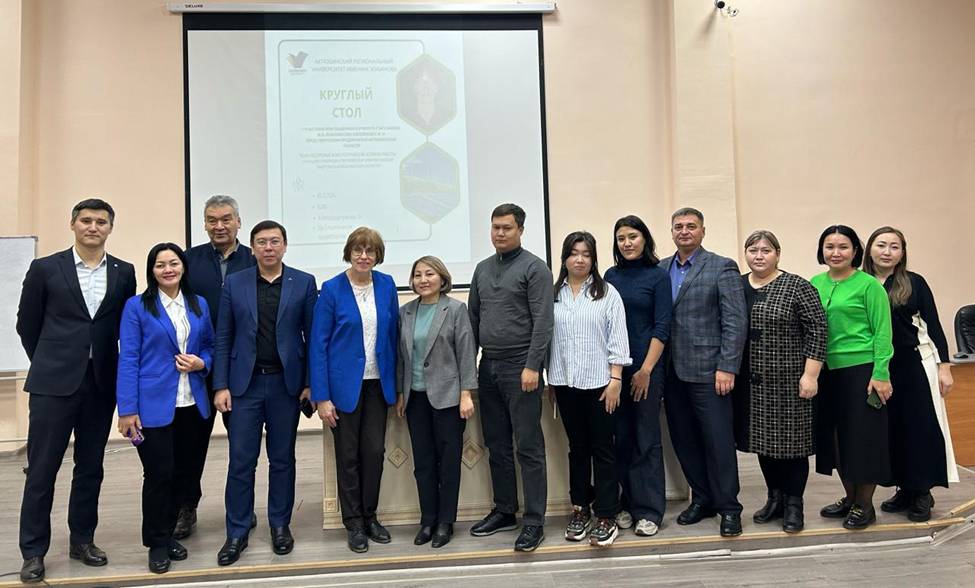

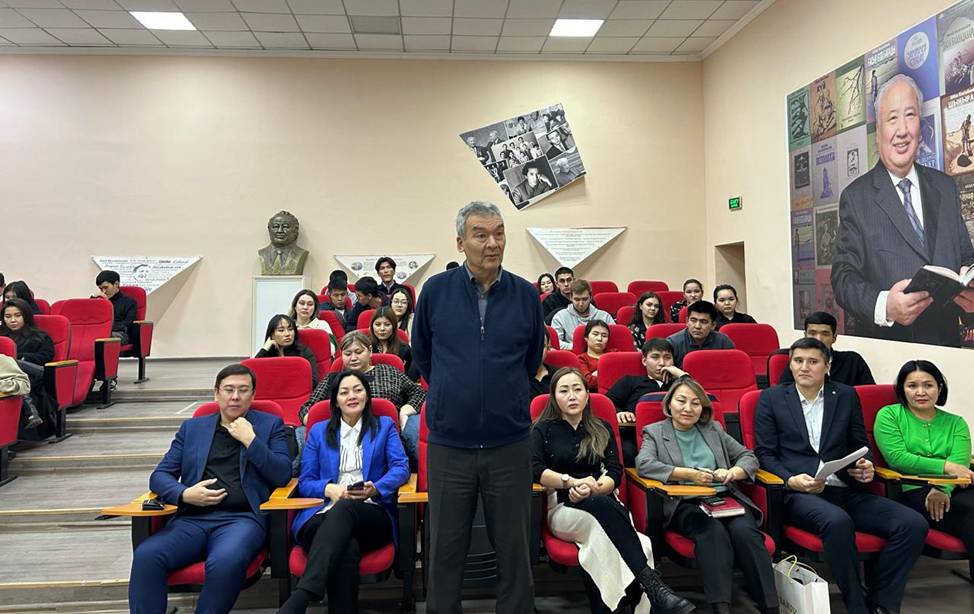
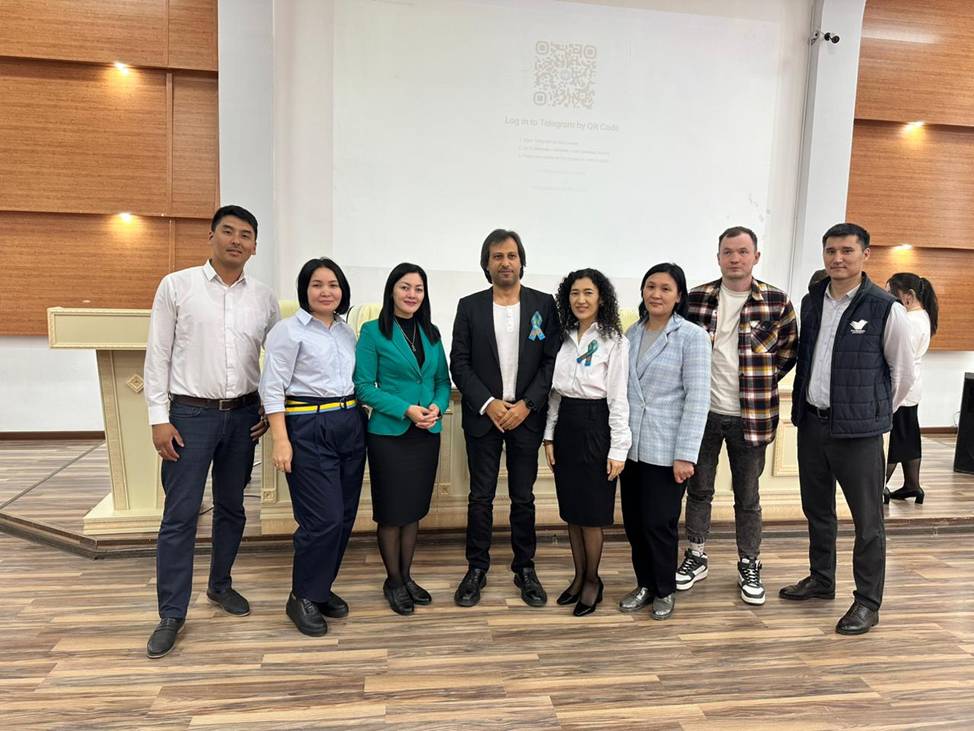
From April 30 to May 12, 2024, our university was visited by Professor Ahmet Çelebi from Sakarya University (Turkey) as part of the academic mobility program.
During his visit, Professor Ahmet Çelebi delivered a series of lectures on ecology, shared his experience, and held scientific and educational meetings with students and faculty members. This event contributed to increasing students’ interest in the international scientific community and enhancing their professional competencies.
The professor’s visit became one of the important steps in strengthening the international cooperation of our university and improving the quality of education.

OUTBOUND MOBILITY OF STUDENTS WITHIN THE FRAMEWORK OF THE ACADEMIC MOBILITY PROGRAM
As part of the academic mobility program, students have the opportunity to go abroad to receive education, gain experience, and improve their professional skills. This program promotes the exchange of international experience, familiarization with the educational systems of foreign universities, and the strengthening of academic ties.
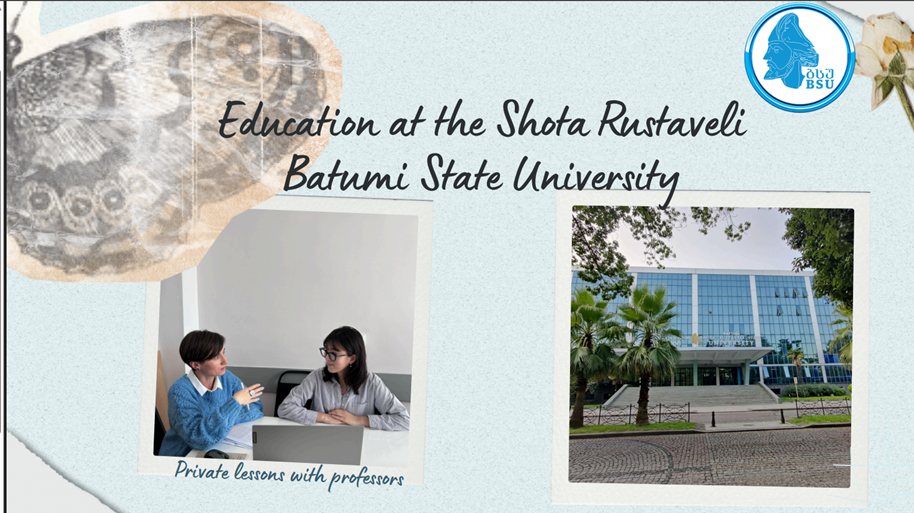
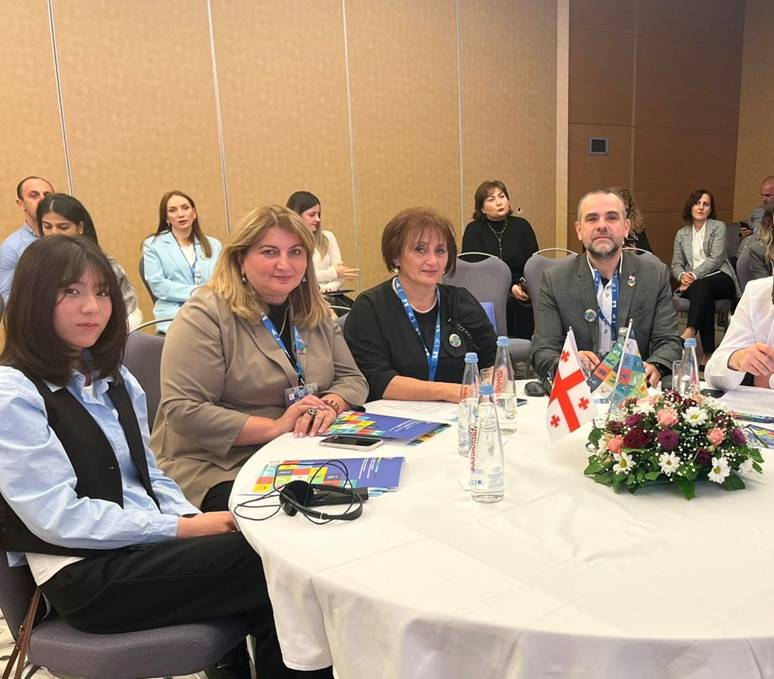
In 2024, a 3rd-year student of the 6В05201 – Ecology educational program, Tomiris Samatovna Bektasova, studied at Shota Rustaveli State University in Batumi (Georgia) as part of the academic mobility program. During the program, Tomiris became acquainted with the educational process of the foreign university, gained professional experience, and deepened her knowledge of environmental issues in an international academic environment.

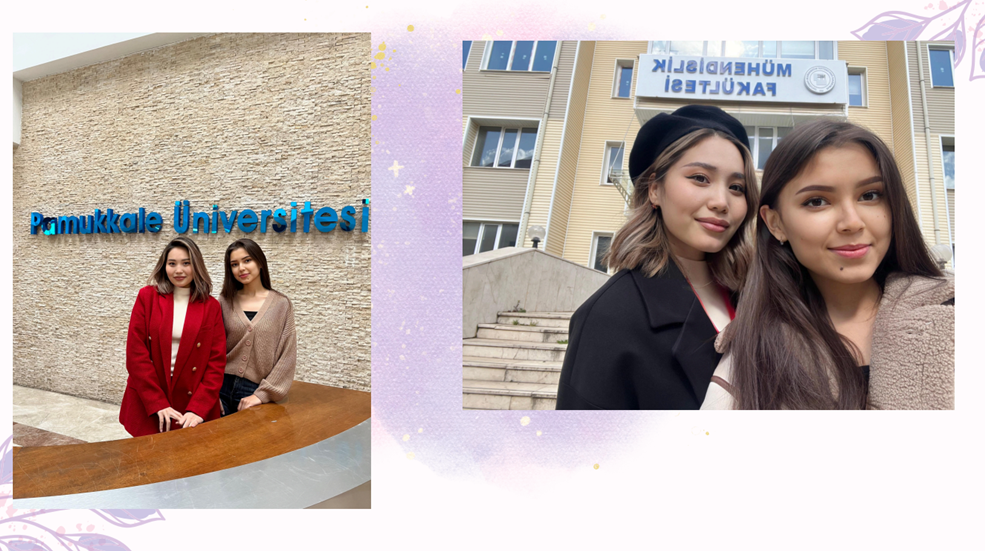
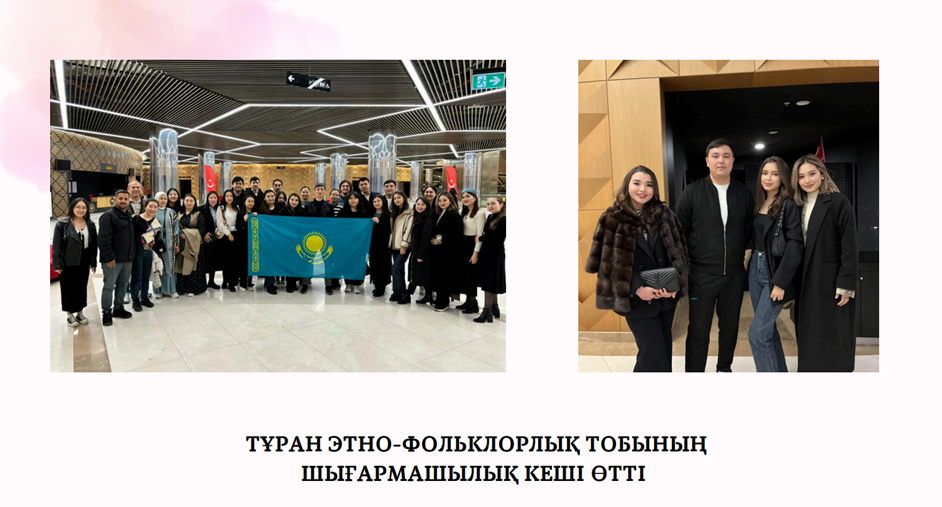
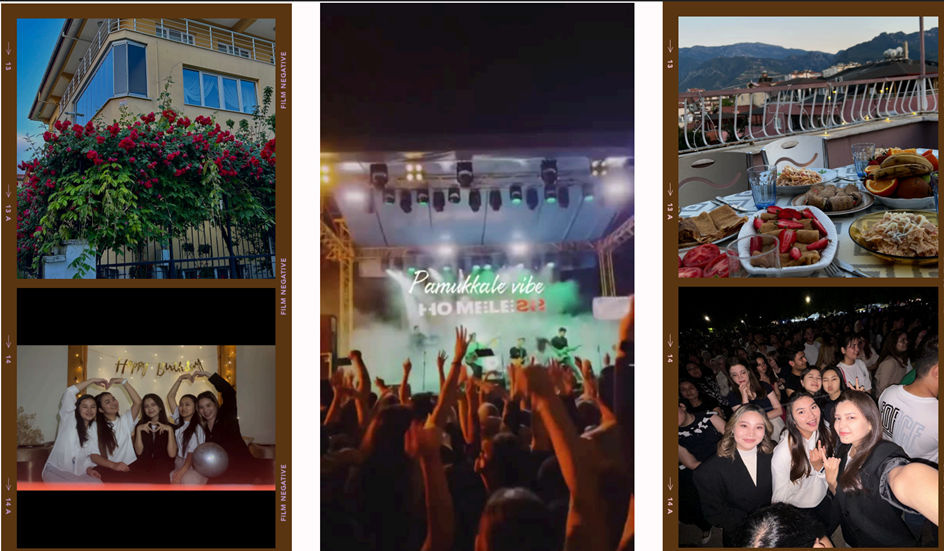
In 2024, students of the 6V05201 – Ecology educational program, Abilkassova Sabina and Aitkaliyeva Aidana, studied at Pamukkale University (Republic of Turkey, Denizli city) as part of the academic mobility program. During the program, the students became familiar with the educational process of the foreign university and enhanced their professional and academic skills.
STUDENTS' EDUCATION AT HIGHER EDUCATION INSTITUTIONS OF KAZAKHSTAN WITHIN THE FRAMEWORK OF ACADEMIC MOBILITY.
Within the framework of the academic mobility program, students study at various higher education institutions in Kazakhstan, enhancing their professional and academic experience. This practice contributes to improving the quality of education, establishing connections with universities in other regions, and fostering the all-round development of future specialists.
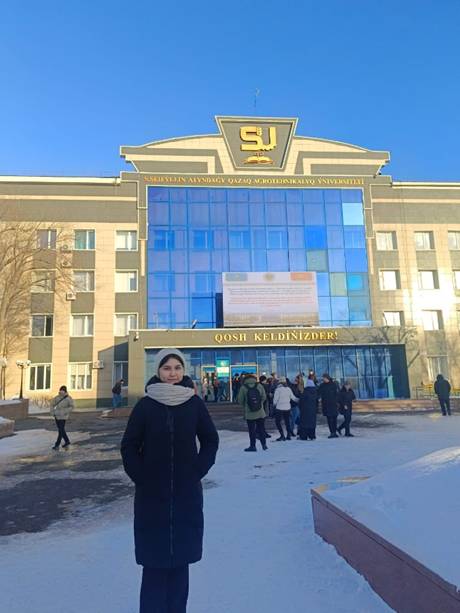
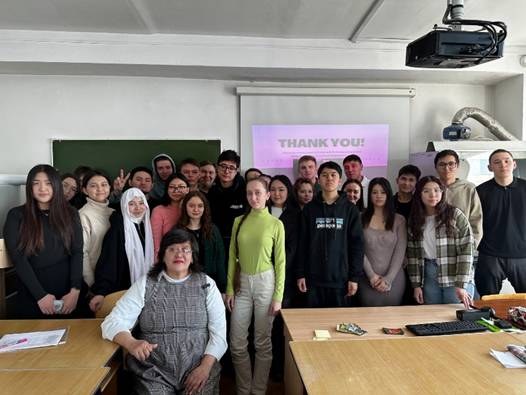
Zarina S. Sydykova, a 2nd-year student of the 6V05201 – "Ecology" educational program, studied at Saken Seifullin Kazakh Agrotechnical Research University within the framework of the academic mobility program.
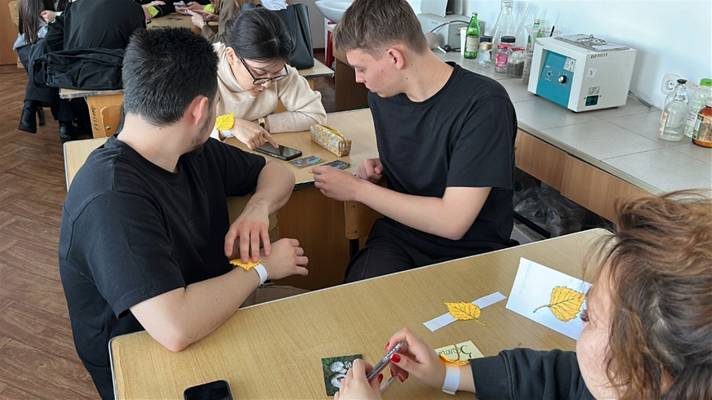
This experience within academic mobility contributes to the development of students' professional and academic skills, familiarizes them with the educational process of other universities, and broadens their scientific outlook.
Sakebayeva Aruzhan Sagitzhankyzy, a 3rd-year student of the educational program 6B05201 – "Ecology", completed her studies under the academic mobility program at the Caspian University of Technologies and Engineering named after Shakhmardan Yessenov.
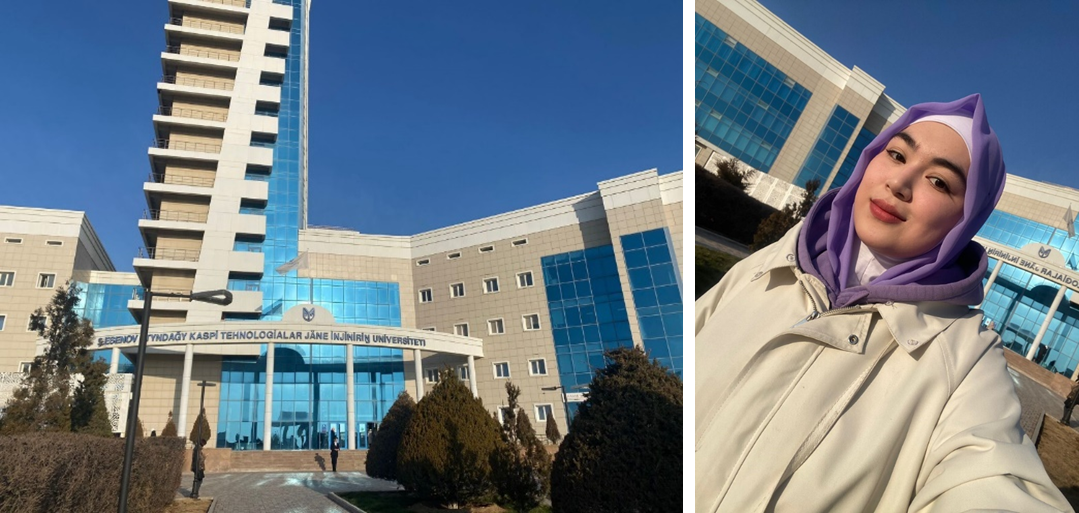
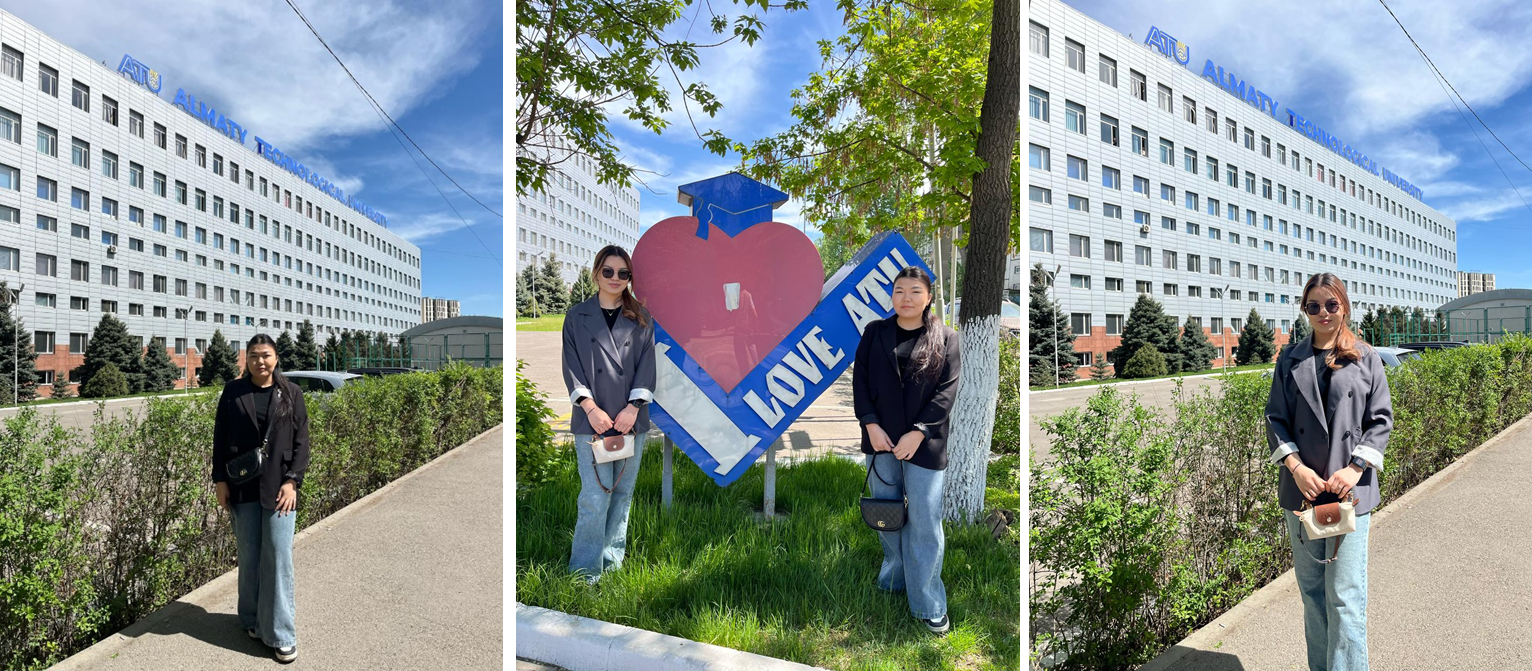
Cooperation with Almaty Technological University
An official partnership has been established between our university and Almaty Technological University. Within the framework of this cooperation, active exchange of students takes place. Students participate in academic mobility programs, exchange experiences, and engage in joint educational initiatives, which provide them with ample opportunities for professional development. This collaboration aims to enhance the quality of education and foster the scientific potential of both institutions.
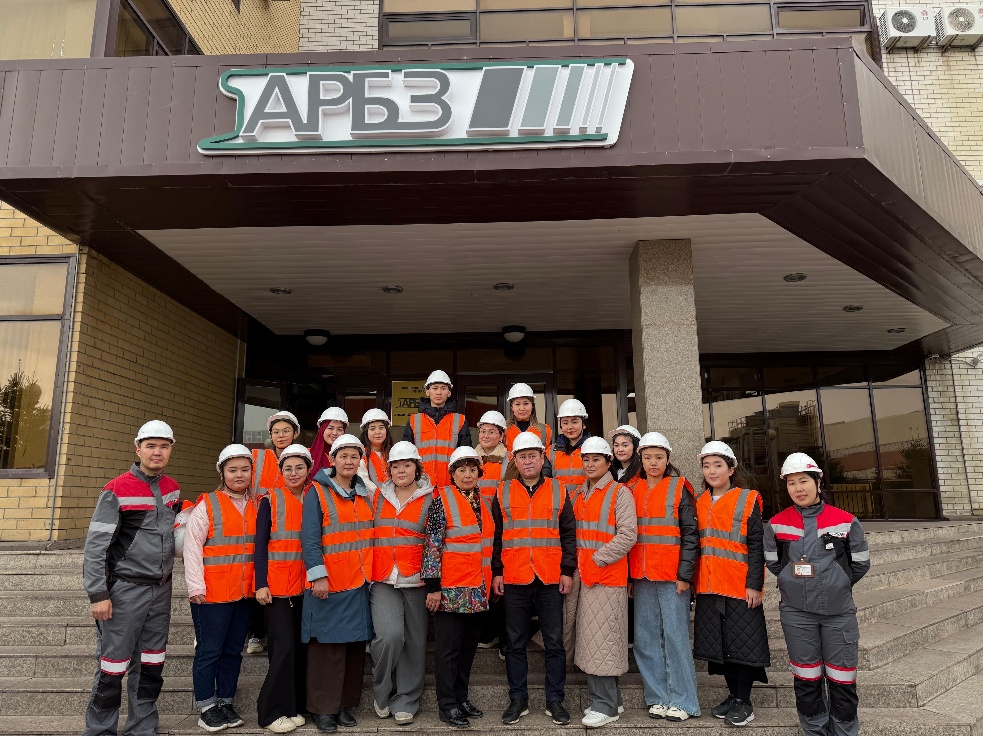
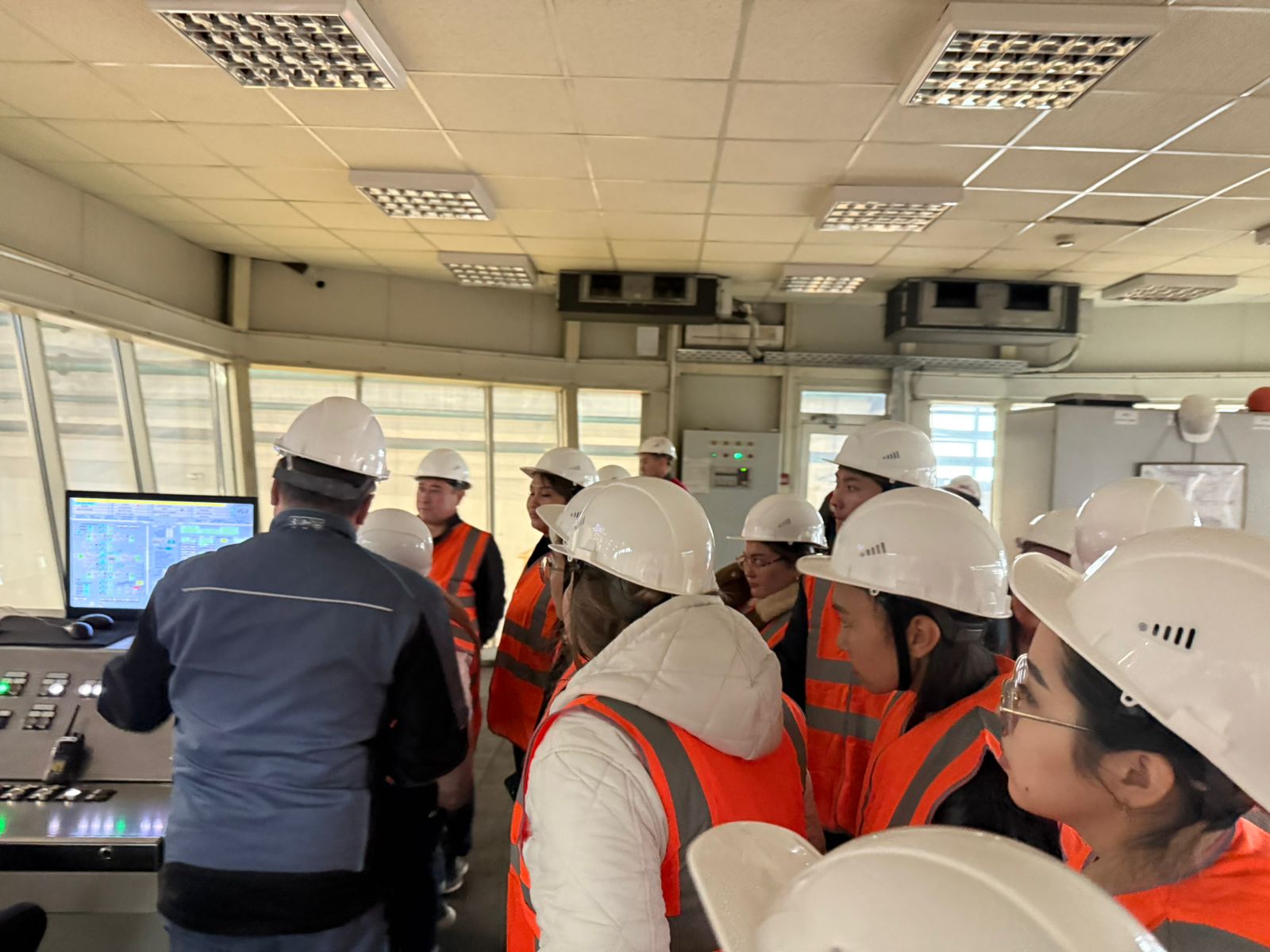
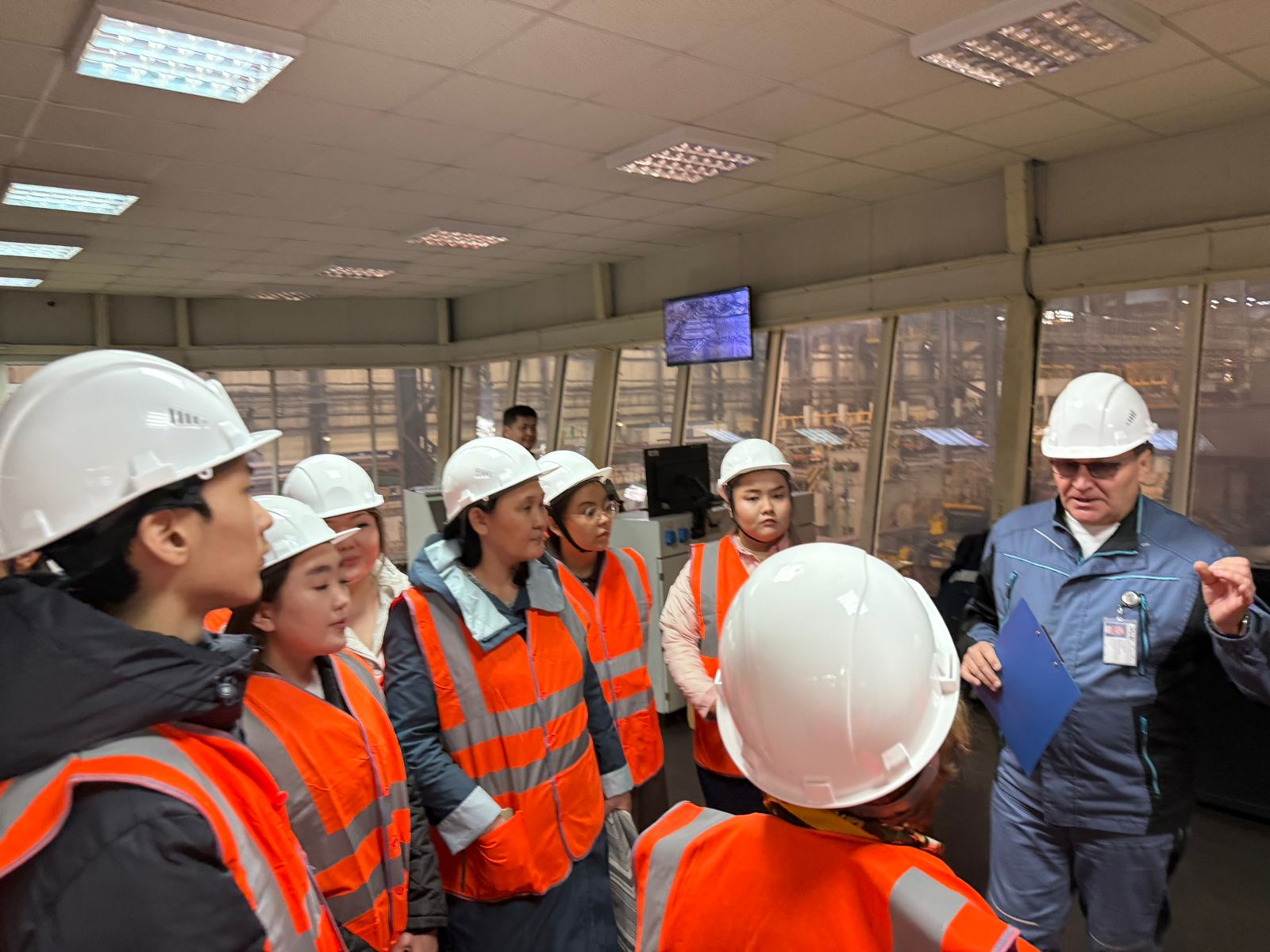
Excursion of Students of the Educational Program “6B05201 – Ecology” to LLP “Aktobe Rail and Beam Plant”
During the 2025–2026 academic year, students of the Ecology Educational Program of the Faculty of Natural Sciences studied in Turkey, Georgia, and China under the Academic Mobility Program to gain international academic experience.
- Adil Asylkhanovich Musin – a 2nd-year student of the 6B05201 – Ecology Educational Program, Shota Rustaveli Batumi State University, Georgia.
- Adil Asylkhanovich Musin – a 2nd-year student of the 6B05201 – Ecology Educational Program, Shota Rustaveli Batumi State University, Georgia.
- Sarbinaz Muratovna Khasenova – a 3rd-year student of the 6B05201 – Ecology Educational Program, Marmara University, Turkey.
- Zhansaya Medetovna Karatayeva – a 3rd-year student of the 6B05201 – Ecology Educational Program, Xinjiang University of Finance and Economics, China.
In the 2025–2026 academic year, the following students enhanced their knowledge and professional competencies at partner universities in the Republic of Kazakhstan.
|
Nazerke Bazarbaykyzy Amankeldiyeva |
6B05201 – Ecology, 3rd Year |
Kazakh |
State Grant |
3.16 |
Almaty Technological University |
|
Alua Iskairova |
6B05201 – Ecology, 2nd Year |
Russian |
State Grant |
3.22 |
Saken Seifullin Kazakh Agrotechnical Research University |
|
Maria Posnova |
6B05201 – Ecology, 2nd Year |
Russian |
State Grant |
3.06 |
Almaty Technological University |
|
Fatima Kairbekkyzy |
6B05201 – Ecology, 2nd Year |
Russian |
State Grant |
2.96 |
Almaty Technological University |
|
Karina Deliverova |
6B05201 – Ecology, 2nd Year |
Russian |
State Grant |
3.07 |
Almaty Technological University |
|
Adema Arystanovna Takina |
6B05201 – Ecology, 2nd Year |
Kazakh |
State Grant |
3.16 |
Almaty Technological University |
|
Viktoriya Leonidovna Voronovskaya |
6B05201 – Ecology, 3rd Year |
Russian |
State Grant |
3.34 |
Saken Seifullin Kazakh Agrotechnical Research University |
|
|
|
|
|
|
|
In addition, during the 2025–2026 academic year, the following students from partner universities of the Republic of Kazakhstan studied at our university and enhanced their professional knowledge and skills:
- Gulim Nurlanovna Zhylkyaidar – a 2nd-year student of the 6B05201 – Ecology Educational Program, came from Abai Kazakh National Pedagogical University.
- Aibyn Dauletuly Shyntas – a 2nd-year student of the 6B05201 – Ecology Educational Program, came from Zhangir Khan West Kazakhstan Agrarian and Technical University.
- Batyrkhan Amangeldievich Bisengaliyev – a 2nd-year student of the 6B05201 – Ecology Educational Program, came from Zhangir Khan West Kazakhstan Agrarian and Technical University.
- Shattyk Konakbaikyzy Zholdybay – a 2nd-year student of the 6B05201 – Ecology Educational Program, came from Yessenov Caspian University of Technology and Engineering.
Within the framework of the Academic Mobility Program, students became thoroughly acquainted with the academic environment of the host universities, educational systems, curricula, and the specific features of organizing the educational process. During the program, they attended lectures delivered by leading professors and faculty members and had the opportunity to learn about the activities of modern laboratories and research centers. This contributed to the development of their professional competencies, the integration of theoretical knowledge with practical experience, and the acquisition of international educational experience.
Furthermore, the students explored the historical and cultural heritage of the host countries and visited significant cultural and architectural landmarks. These activities broadened their horizons, enhanced their intercultural communication skills, and enabled them to gain a deeper understanding of the traditions, values, and cultures of different nations.
The Academic Mobility Program also increased students’ interest in research activities and provided opportunities for experience exchange within the international academic community. As a result, participants not only gained new knowledge and practical experience but also achieved professional and personal growth, improved their foreign language proficiency, and expanded their future career opportunities.
The knowledge and experience gained through the program will serve as a solid foundation for their development as competitive specialists capable of succeeding in science, education, and professional practice, as well as implementing innovative ideas and projects.


Results of Practical Training of Ecology Students in the 2025–2026 Academic Year
In the 2025–2026 academic year, 1st to 4th-year students of the "6В05201 Ecology" educational program of the Department of Ecology, Faculty of Natural Sciences, completed an important stage of their professional development — educational-field and industrial practical training.
Practical training allows future specialists to step beyond the boundaries of lecture halls, consolidate theoretical knowledge, and develop key professional competencies at the region's leading enterprises, environmental companies, and specialized government agencies:
- RSI "Department of Ecology for the Aktobe Region" (2nd year): Students familiarized themselves with the structure and operations of the environmental laboratory, studied modern analytical instruments, and mastered methods for researching environmental objects to reinforce their theoretical knowledge.
- "ASU-ECO" LLP (4th year): Under the guidance of specialists, graduates familiarized themselves with the specifics of developing environmental projects and managing corporate environmental documentation.
- "Inzhgeosystem" LLP (4th year): Students mastered the principles of conducting surveying and geological explorations, learned to work with professional equipment (levels, total stations), perform topographic surveys, and process the acquired data on computers to create maps and plans.
- "Audit Ecology" Company (4th year): Trainees studied the basics of environmental monitoring and environmental impact assessment. They consolidated their skills in sampling air, water, and soil, conducting laboratory analyses, and mastered the modeling of pollutant dispersion using the specialized "ERA" software.
- "HydroEcoResource-L" LLP (2nd, 3rd, and 4th years): Students studied the processes of developing environmental protection documentation (including draft standards for permissible emissions and permissible discharges), conducting sanitary and epidemiological studies, and industrial environmental control. In the laboratory, they mastered modern equipment for analyzing wastewater and air composition.
- SND "Irgiz-Turgay State Nature Reserve" (3rd year): Based at the department's branch, a student gained practical experience in the field of nature conservation, studying methods for biodiversity conservation and management of protected areas.
- Educational-Field Practice: University Area and the Kargala River Floodplain (1st year): First-year students completed an adaptive field practice. They conducted dendrological monitoring and floristic research of the coastline, as well as an initial visual assessment of anthropogenic pressure and erosion processes on the Kargala River.
Completing practical training at key government agencies and private environmental companies allowed students not only to strengthen their theoretical foundation but also to master advanced technologies, ranging from operating sophisticated laboratory and surveying equipment to digital environment modeling.
The successful defense of reports at the final conference confirmed one-hundred-percent mastery of the internship programs. This experience ensures the continuity of knowledge, significantly increases the competitiveness of ecology graduates in the labor market, and confirms the vital role of the department's branches in training qualified personnel that meet the modern demands of employers.


"ECOVERTS" SCIENTIFIC CLUB
The student scientific club "ECOverts" was founded in 2022 under the Department of Ecology.
- Scientific Advisor: Candidate of Technical Sciences, Associate Professor G.A. Isengalieva.
- Student Founders (EP 6B05201 "Ecology"): M.A. Zimakova, A.A. Kubeeva, T.A. Sivakova, A.S. Brykalova.
Club Mission: to develop students' research work, promote ecological education among youth, implement green startups, and foster an ecological culture within society.
Chronicle of Development and Key Achievements
The club's activities blend deep scientific research with practical environmental initiatives. Since its inception, "ECOverts" members have published more than 15 scientific articles addressing pressing environmental challenges.
2023: First Steps
Club members launched the project "Secondary Use of Textile Waste", aimed at studying fabric recycling methods and reducing environmental impact. Following a university-wide competition, this project won 3rd place. During this period, students also began actively participating in scientific events and educational meetings focused on sustainable development.
2024: Moving to the National Level
- Scientific Publication: Under the guidance of G.A. Isengalieva, a scientific article dedicated to the 125th anniversary of Kudaibergen Zhubanov was prepared.
- Project Recognition: The textile recycling project was presented at the Republican Research Work Competition for students (NIRS), where the team (M. Zimakova, A. Brykalova, T. Sivakova) secured 3rd place.
- Social Activity: Club members initiated book sharing events (Book Sharing) and participated in the international ecological quest "PROCLIMATE".
2025: A Peak Year of Performance
This year proved to be the most fruitful for awards and publications:
- Breakthrough in Science: Students published a major article titled "Recycling of organic waste. Obtaining biohumus from recycled organic waste" in the international research center Endless Light in Science and the scientific-practical journal In the World of Science and Education.
- Startup Success:
- The "Eco-candles" project (centered on material reuse and waste reduction) took 3rd place in the environmental projects competition.
- The "PET Plastic Recycling" project was recognized as the best at the "Taza Qalam – Aktobe" eco-startup competition, winning 1st place.
- Olympiads and Forums: The club's team won 3rd place at the XVII Republican Subject Olympiad in Ecology held in Astana. They also demonstrated a high level of preparation at the National Stage of the student Olympiad "Sustainable Development Goals in Central Asia, Afghanistan, and Mongolia". Students exchanged knowledge at the "Taza Qazaqstan" forums, as well as field forums in Almaty and Aktau.
2026: New Horizons
The club continues to develop its discussion and educational formats:
- As part of the club's activities, a meeting-discussion on "Climate Change and Its Consequences" was held in an open-dialogue format to analyze global environmental threats.
- On March 31, 2026, 4th-year students M. Zimakova and A. Kubeeva conducted an interactive eco-educational session for 9th-grade students at school-gymnasium No. 9, raising awareness about waste sorting and responsible consumption.
Main Research Areas of the Club
Today, "ECOverts" focuses its research and activities on five core pillars:
- Organic waste recycling and technologies for biohumus production.
- Secondary use of solid municipal waste (textiles, PET plastic).
- Modern environmental technologies and implementation of Sustainable Development Goals (SDGs).
- Environmental education for youth and school engagement (in cooperation with the Aktobe eco-camp).
- Conducting practical cleanup events (Subbotniks) in partnership with the Department of Ecology to improve local territories.
Today, "ECOverts" is more than just a club—it is a thriving hub for youth science and green initiatives, driving ecological change across its region.


