OUR CONTRIBUTION TO THE SDGs
SDG 4: QUALITY EDUCATION
Ensure inclusive and equitable quality education and promote lifelong learning opportunities for all
The University consistently works towards preparing competitive specialists for both the regional and national labour markets by regularly updating educational programmes, improving academic processes, focusing on talented youth, and developing human capital.
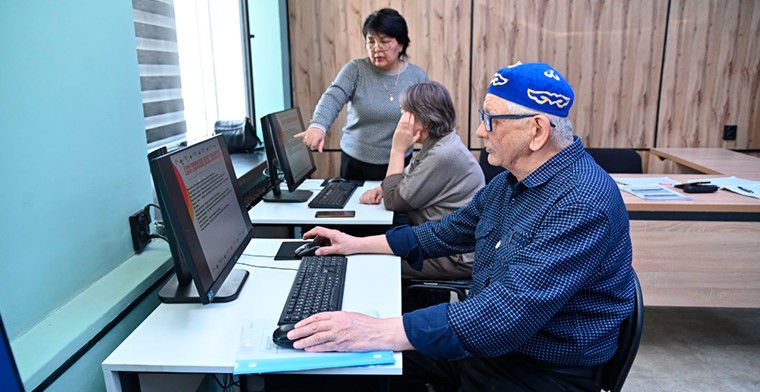
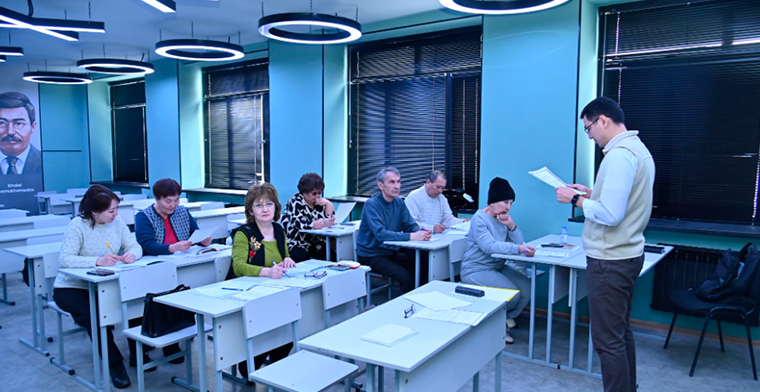
The University implements a wide range of continuing and additional education programmes that cover diverse social groups and professional communities. These include pedagogical retraining courses (PGCE), the educational initiative “Silver University” aimed at supporting active ageing for citizens aged 50 and above, foundation courses for preschool and secondary school teachers, professional development programmes for Border Service personnel within the social project “Support the Defender”, Kazakh language courses for representatives of other nationalities, English language courses, as well as information and communication technology (ICT) training programmes for employees of regional organisations.
During the period 202–2025, the University provided training and professional development opportunities for more than 2,400 participants.
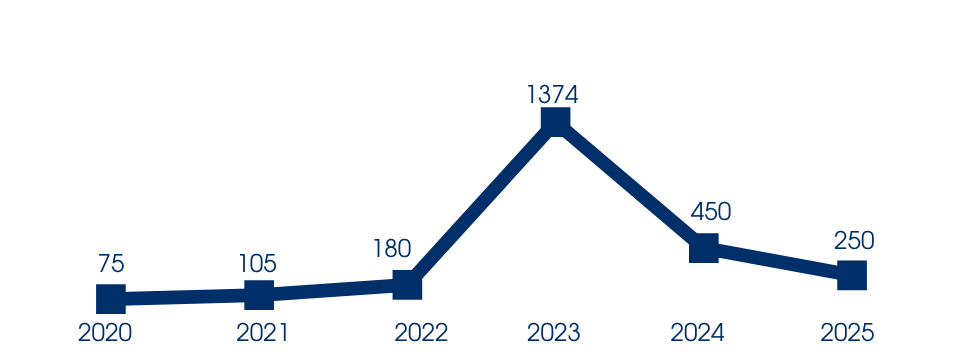
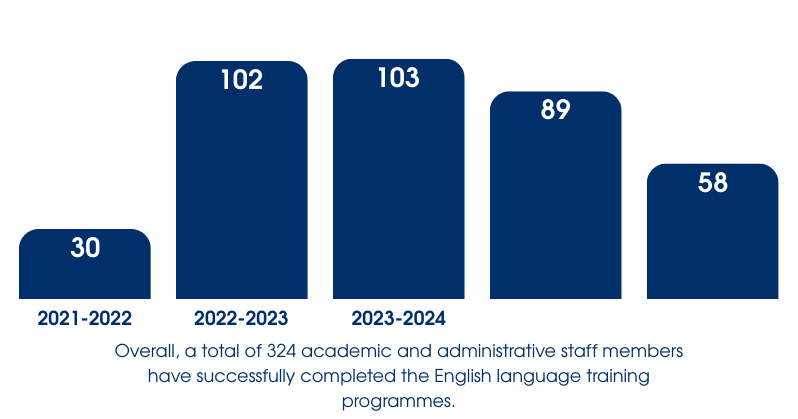
Since 2022, free English language courses have been organized to enhance the language competence of the University’s academic and administrative staff. The training is provided at various proficiency levels, ranging from Beginner to Intermediate. These courses are offered free of charge and are available to all University employees. The number of participants by academic year is as follows:
SILVER UNIVERSITY
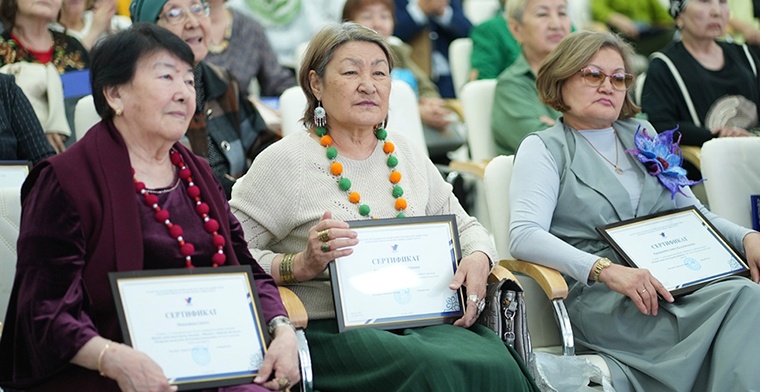
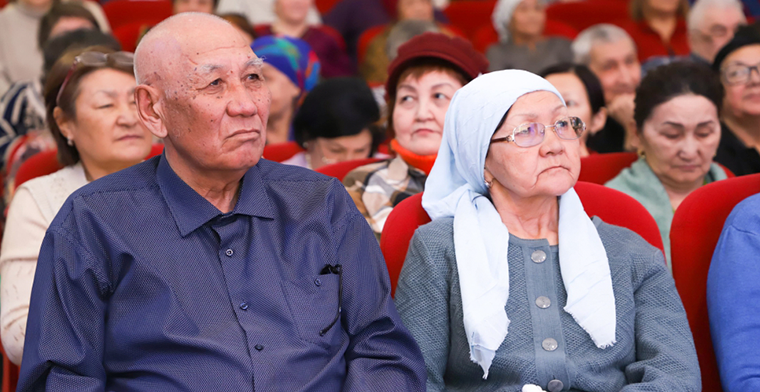
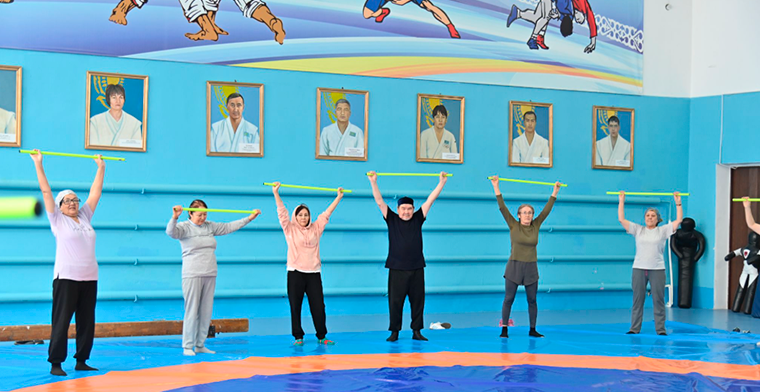
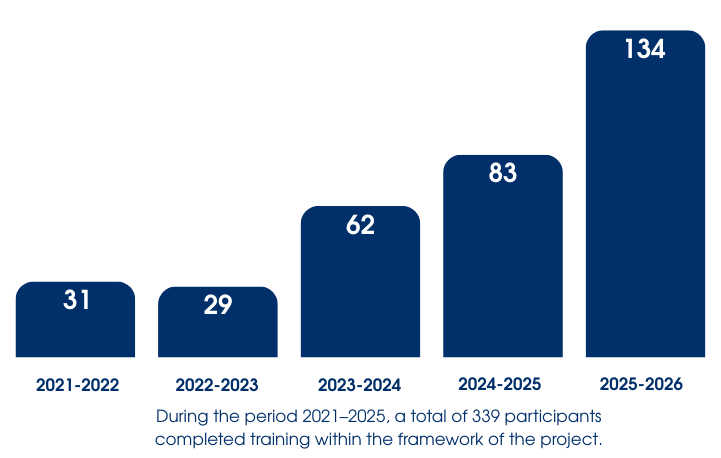
The “Silver University” project provides lifelong learning opportunities for senior citizens. The initiative is aimed at improving functional, digital, language and legal literacy, as well as enhancing social engagement and personal development among older adults.
Since the launch of the project, a steady positive trend in participant involvement has been observed.


MENTORSHIP SERVICES
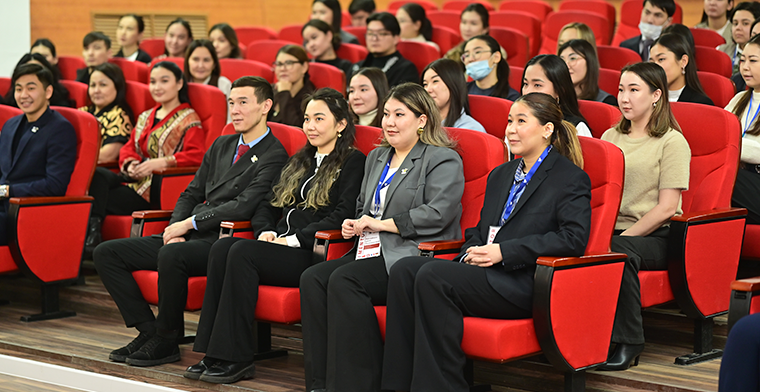
A mentoring system operates at the University to support students and ensure the quality of the educational process. A total of 71 mentors work with students, providing guidance throughout all stages of their studies, facilitating their adaptation, offering socio-psychological support, and encouraging participation in research, cultural, volunteer and sports initiatives.
The introduction of the mentoring service has enabled the University to establish a unified and systematic approach to student development, improve the effectiveness of risk prevention and misconduct mitigation, and create conditions for reducing the workload of academic staff. This practice contributes to fostering key student values such as responsibility, integrity and civic engagement, while promoting an inclusive learning environment and enhancing the overall quality of education.

LEARNING OPPORTUNITIES AND EMPLOYMENT OUTCOMES
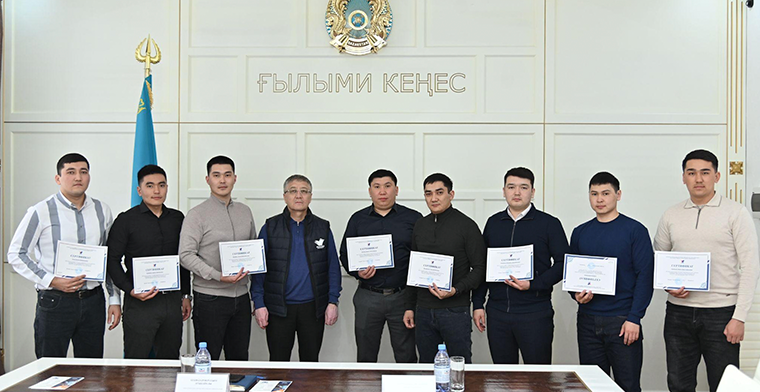
The University implements social and educational initiatives aimed at expanding access to quality education and enhancing the professional competencies of various groups of citizens.
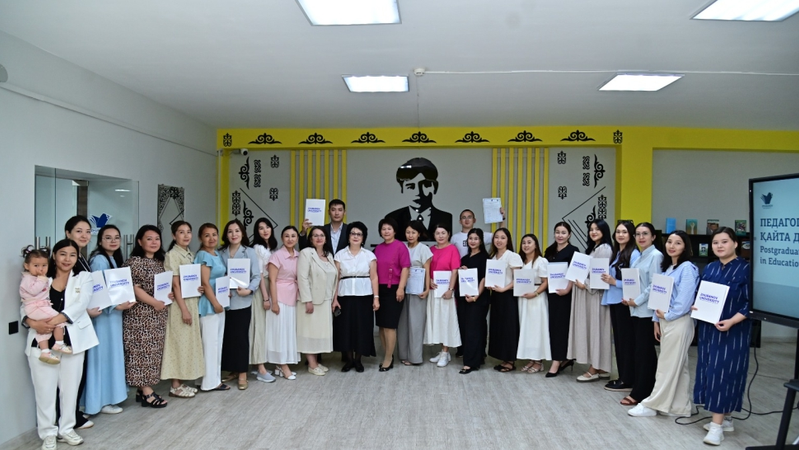
In 2024, a second-year Master’s student of the Faculty of Foreign Languages, Dana Samen, delivered an English language course for employees of the Aktobe Department for Emergency Situations. As a result of the programme, 25 participants were awarded certificates.
In addition, within the framework of the social project “Let’s Support the Defenders”, implemented under a cooperation memorandum with the Aktobe Regional Department of the Border Service of the National Security Committee of the Republic of Kazakhstan, more than 100 border service employees completed a training course on personality psychology and behavioural characteristics in 2024.
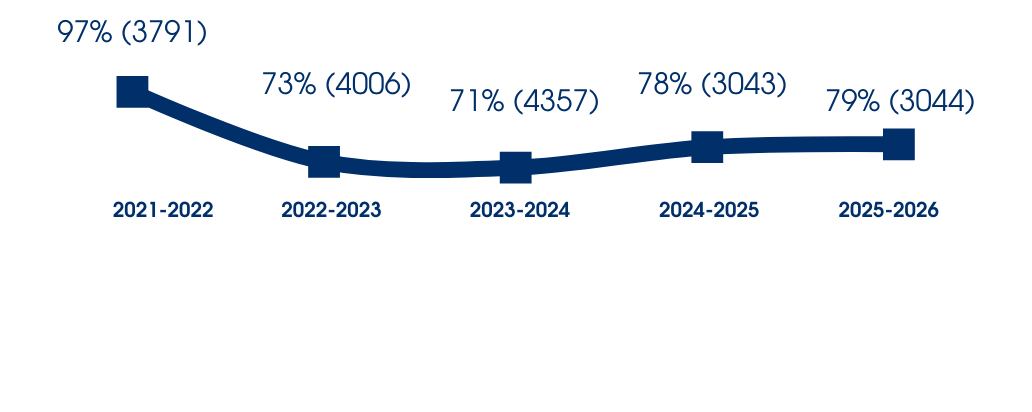
To assess the effectiveness of educational programmes and their alignment with labour market demands, the University regularly monitors graduate employment outcomes.
The analysis of employment indicators makes it possible to evaluate the demand for specialists trained by the University and to identify trends in their professional integration across various sectors of the economy.
The employment dynamics of graduates in recent years demonstrate a stable level of their integration into the professional environment and confirm the practice-oriented nature of the University’s educational programmes. The results of the monitoring are presented in the chart below.